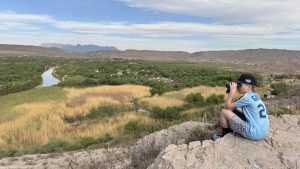
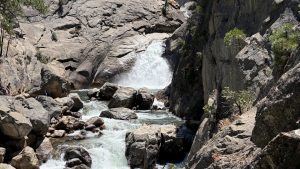
Haleakala National Park is an amazing place on the island of Maui. It has two very diverse sections that are easily visited, which include the tropical rain forest near Hana and the alpine top of a volcano 10,000 above sea level. Since these sections are non-contiguous, at least by car, it is almost impossible to visit both sides at the same time. Both sides are worth a half-day visit. This Haleakala National Park Family Guide will help you plan your visit to this national park.
Kipahulu District
The Kipahulu District is a rather small section of Haleakala National Park. It is just past Hana on the Road to Hana. Most people consider the Kipahulu District as the end of the road. There are two hikes in this section. You can easily see it in a half day if you stay the night in Hana. We stayed at the Hyatt Hana-Maui Resort and absolutely loved it.
Just south of Hana there is an entry for the Kipahulu District. The road basically ends at this spot, though you can continue around the island, it is not recommended. Instead, turn in at the fee station and start in the small Visitor Center. The Visitor Center has a few items on display and history about the area. There are views of the ocean from the Visitor Center, too.
From the parking lot, you can access two trails. The Kuloa Point Trail, also known as the Seven Sacred pools is an easy 0.5 mile hike to see the ocean and small pools connected by waterfalls. The Pipiwai Trail, which takes you to Waimoku Waterfall, is 4.0 miles and is moderate. It climbs up the entire way to the falls, but passes an amazing bamboo forest. Both are worth doing.
Summit District
The Summit District also requires a drive, and you’ll go from sea level near the airport in Kahului to 10,000 feet in just under an hour. Two out of the five of us experienced altitude sickness despite living at 4,500 feet at home in Utah. We had nausea, headaches, and fatigue. So be aware. If you start to experience these symptoms, the best thing to do is return to a lower altitude. And definitely to sit down and rest.
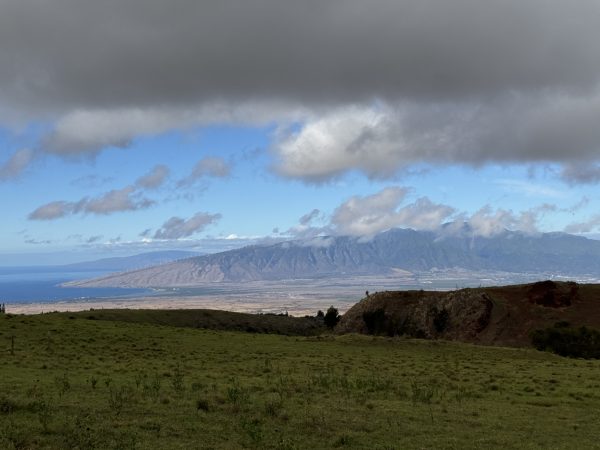
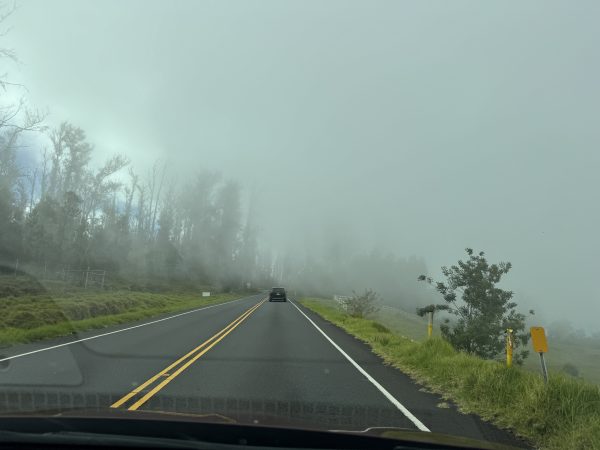
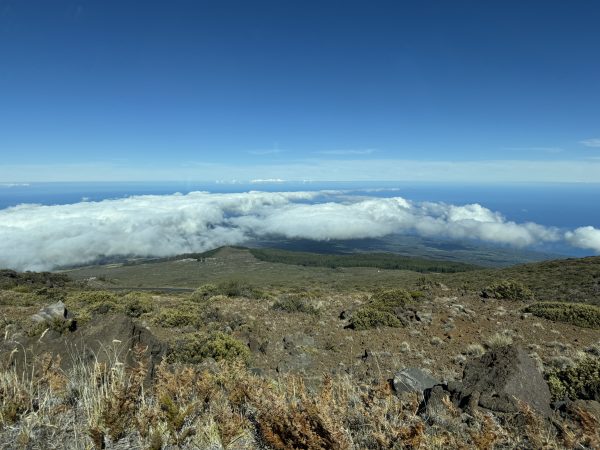
The summit is worth the visit and is like no other place we’ve visited. It is cold and windy on top despite it being 88 degrees down by the sea. We came prepared and changed into long pants and coats, including gloves and beanies at the windy summit.
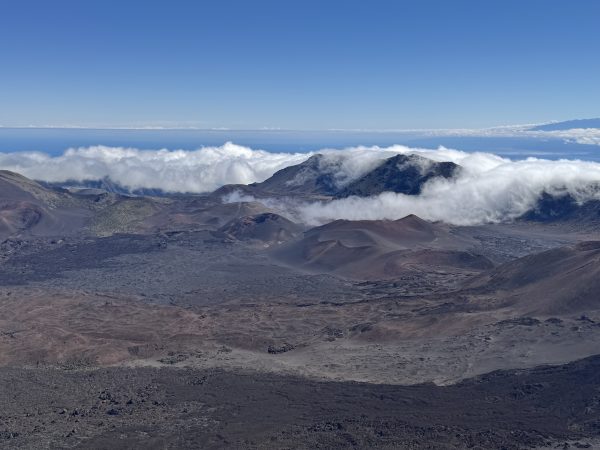
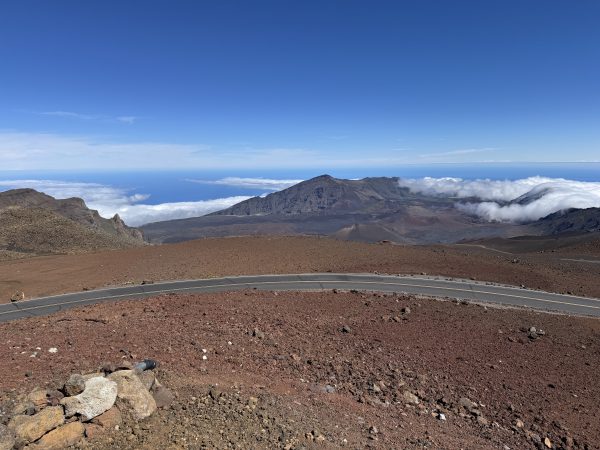
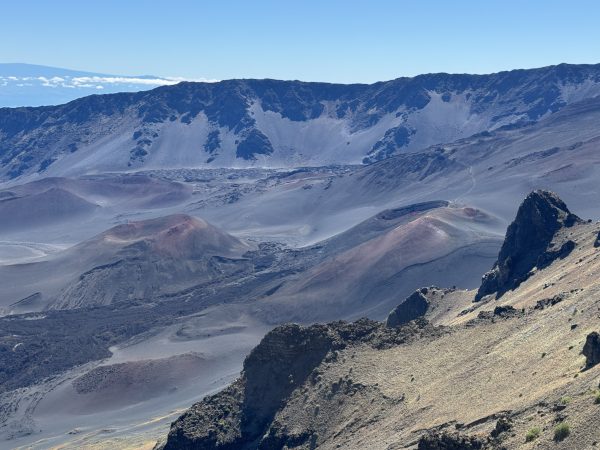
The main draw of the summit is looking down into the ancient volcano with its cinder cones. There is not vegetation up on top, and our boys commented that it looked a little like the surface of the moon or Mars. There is obviously a lot of igneous volcanic rock, and the views out over the top of the clouds is breathtaking. The drive itself winds back and forth across the face of the mountain, and you pass through several cloud banks on the way up.
VISITOR CENTERS
There are two visitor centers on this side of Haleakala. There is the Haleakala Visitor Center at the very top of the mountain. It is small and has just a few displays, including a large map. The nicest part of this Visitor Center at the summit is that you can stand inside out of the wind, and look into the crater. There are large windows for viewing. They also have a small gift shop.
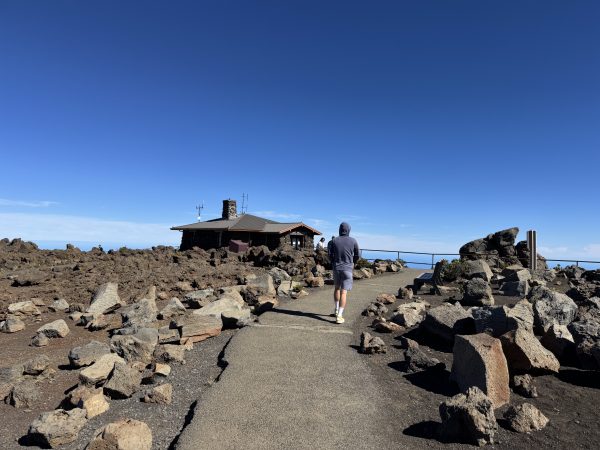
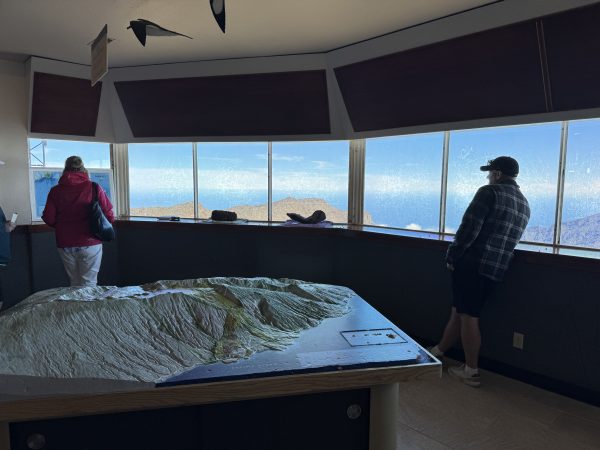
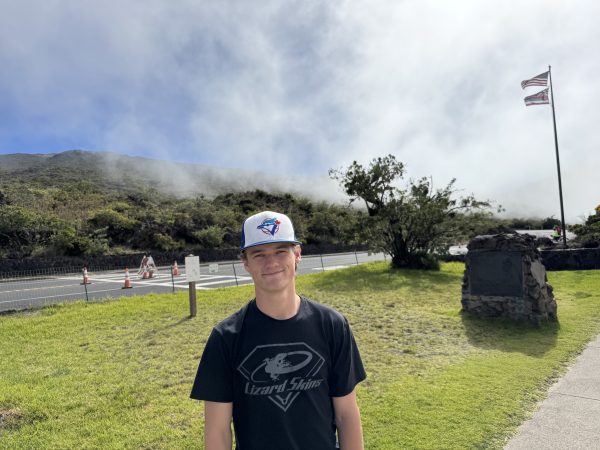
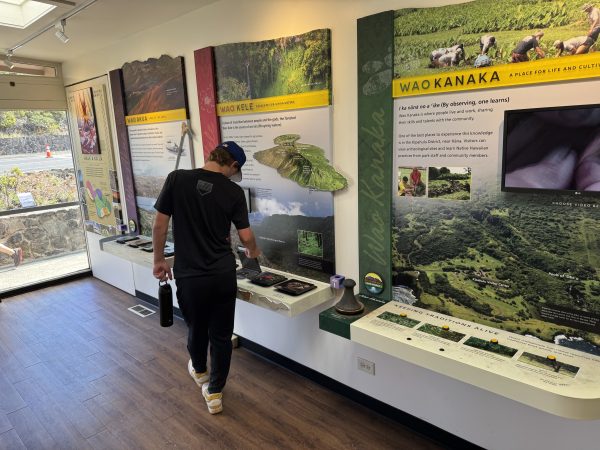
The Headquarters Visitor Center is just past the entrance gate as you begin the climb up the volcano. There are a few small exhibits about the animals and the culture of the area. Rangers can help answer questions at either of these spots. Check the national park website for current hours.
PU’U’ULA’ULA SUMMIT
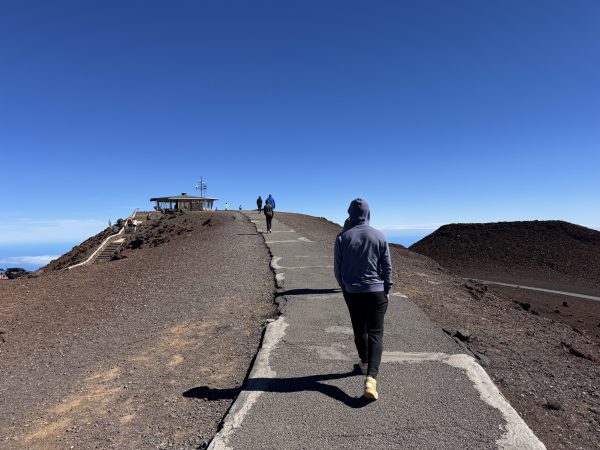
After visiting the Visitor Center and doing any hikes in that area, make sure to drive over to the Pu’u’ula’ula Summit. This is the tallest part of the volcano. There are two different spots to look. One side looks out over the entire island of Maui, and since you are up so high, you can see it all! It is a short walk up to look.
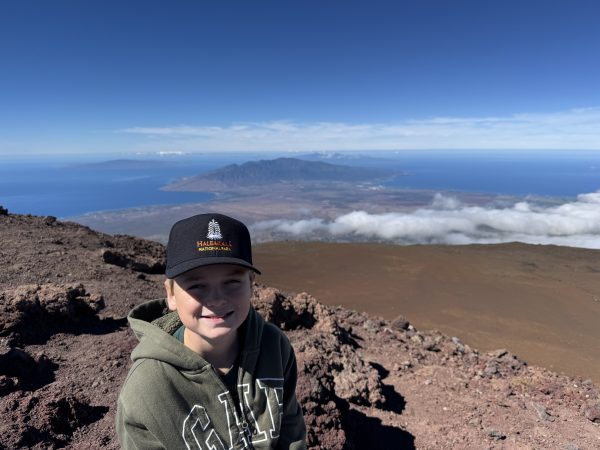
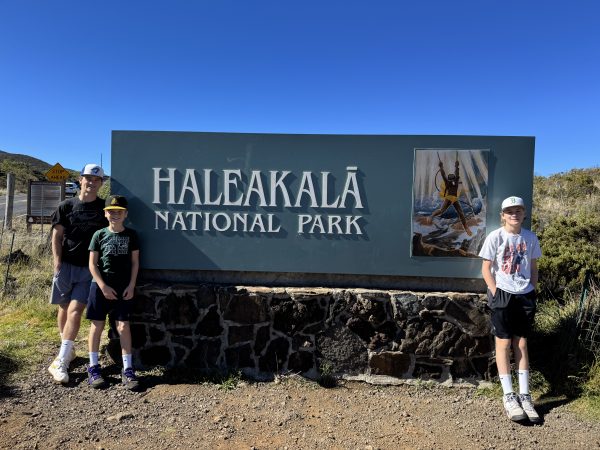
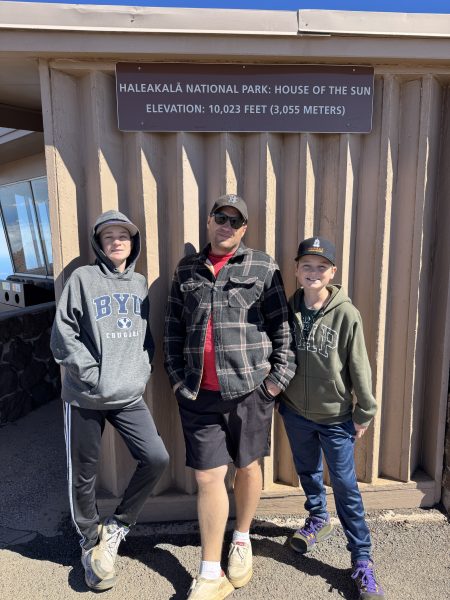
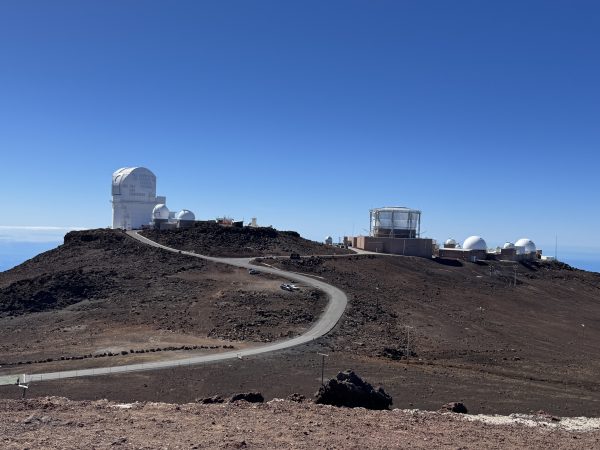
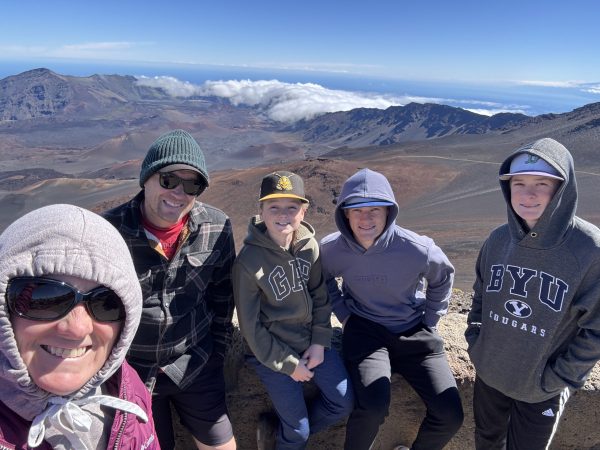
The other side of the parking lot has a small viewing building where you can step inside to get out of the wind again and overlook the crater. We took a picture here next to the sign that showed the elevation. You can prove that you were about 10,000 feet. You can also see the observatories that are up here for astronomy purposes. Unfortunately, they are not open to the public.
HIKES IN THE SUMMIT AREA
At the top there are several short walks. We suggest driving to the top to do these hikes, and then stopping for other short walks on the way back to the bottom. But it might be better to do the hikes on the way to help acclimate to the altitude. Maybe that would have helped us.
- Pa’ Ka’oao Trail: 0.4 mile RT. Easy overlook by the Haleakala Visitor Center.
- Sliding Sands, or Keonehe‘ehe‘e, Trail allows you to hike as far down into the crater as you wish, though we only went a half-mile to the first overlook.
- Leleiwi Overlook: Short 0.3 mile roundtrip to overlook of the crater
- Hosmer Grove: Located at the Hosmer Grove campground area. 0.6 mile and easy. You can spot the i’iwi, or scarlet honeycreeper, which is a symbol of Hawaii and only found on Hawaii.
Junior Ranger
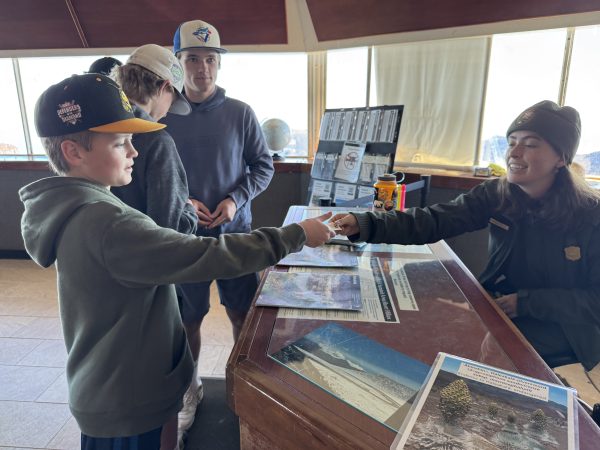
Make sure to do the Junior Ranger program. The nice thing about having two areas of the park is we picked up our booklets in Kipahulu and turned them in at the Haleakala Visitor Center. With all of the driving our kids had a ton of time to work on the booklets. We also attended a short ranger program at the summit where we learned how the islands of Hawaii were formed. It was fun and everyone got to be a part of the story.
Sunrise at Healeakala
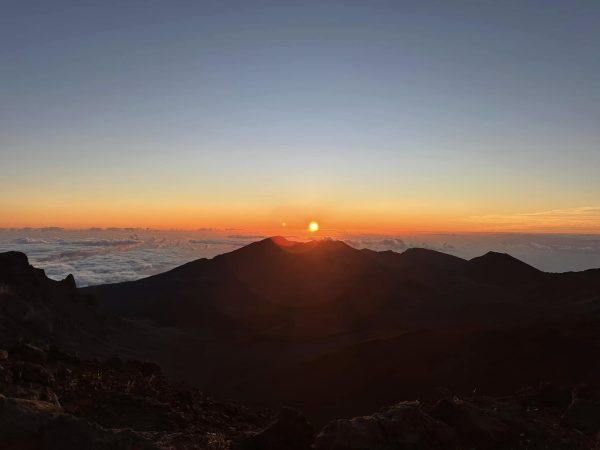
One of the most popular things to do at Haleakala National Park is to see the sunrise from the summit. If you plan to do this, you need a reservation. You can make these reservation at Recreation.gov. Sunrise is usually around 4:00 AM, and the drive to the summit takes an hour from Kahului, so it is a very early adventure. We did not make it up for sunrise, but I want to go back and give it a try. The summit is also nice for sunset and stargazing. No reservations needed for these times of day.
The two sides of Haleakala National Park are drastically different, but both are well worth the visit. Plan a half day in each. We love exploring the national parks, and this one was amazing. We can’t wait to visit again and add more to our Haleakala National Park family guide.