
Big Bend National Park is somewhat difficult to reach, but for those who make the trek, there are some amazing adventures. This guide will help you know what to expect, and what to pack, for your trip to Big Bend National Park.
Where is Big Bend
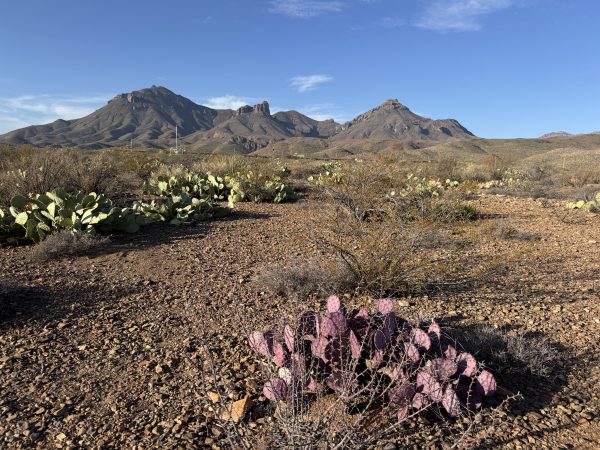
Big Bend National Park is located in the southwest corner of Texas. We flew into Midland, TX, and then made a three hour drive to a small town called Terlingua. This was a good jumping off point for the park, though there wasn’t much there in the way of resources. You could also fly to El Paso, but that is another hour further away.
There is lodging and camping in the park if you are able to book some. The lodging was under construction when we visited so it was nearly impossible to book even many months ahead. So plan accordingly.
Junior Ranger
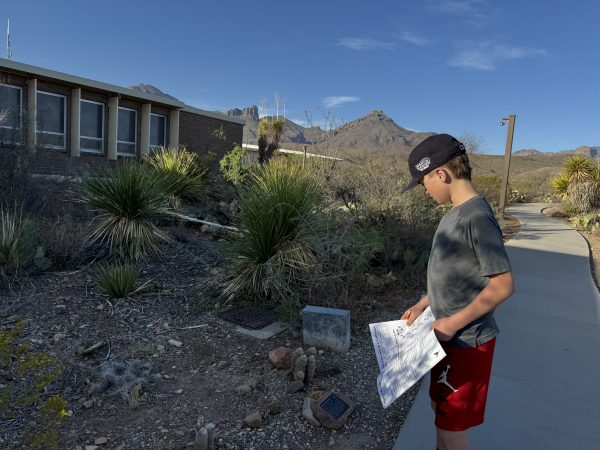
We must shout out the Big Bend Junior Ranger program. In addition to the usual activities and badge, Big Bend has 3 bonus badges. These are the size and shape of scouting merit badges, and can be earned by visiting specific areas of the park and answering questions about them. The bonus badges were simply an extra page in the regular book, but our boys had fun earning two extra patches for hikes we finished.
The Park
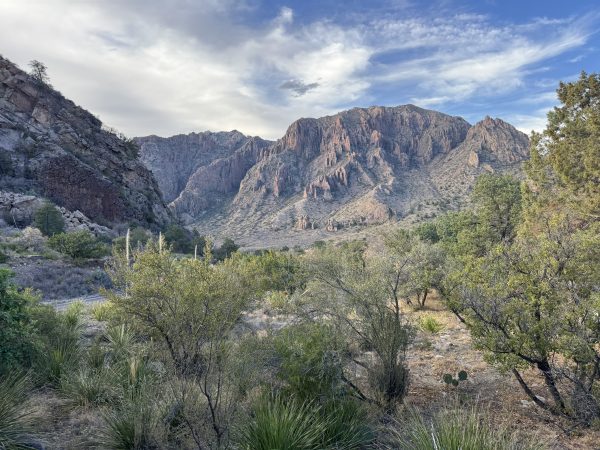
Big Bend is basically three areas, the rarely visited western side called Castolon, the central mountain area called Chisos Basin, and the southeast section around Rio Grande Village. We’ll give you our favorite things to do in each section:
Rio Grande Village
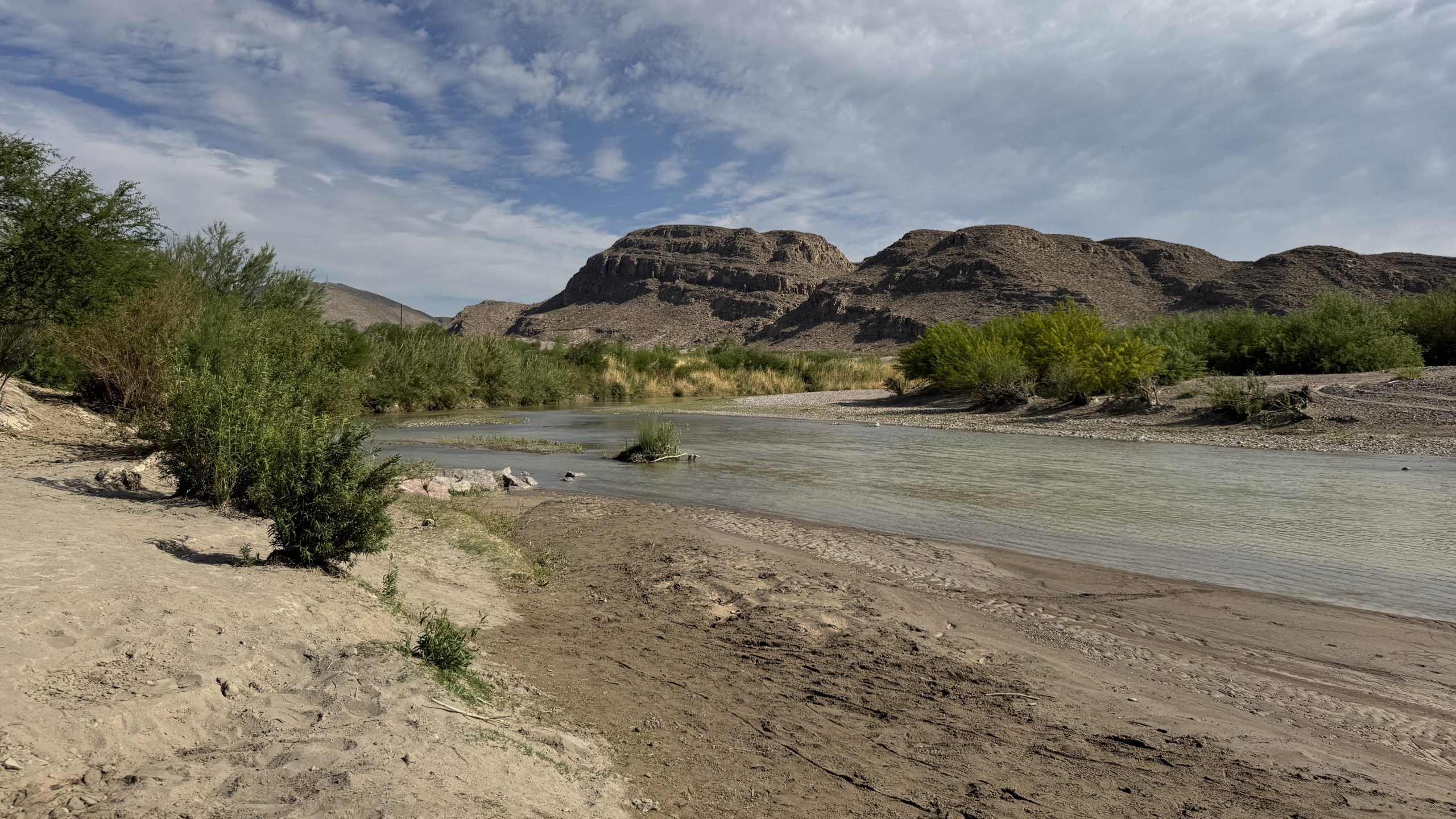
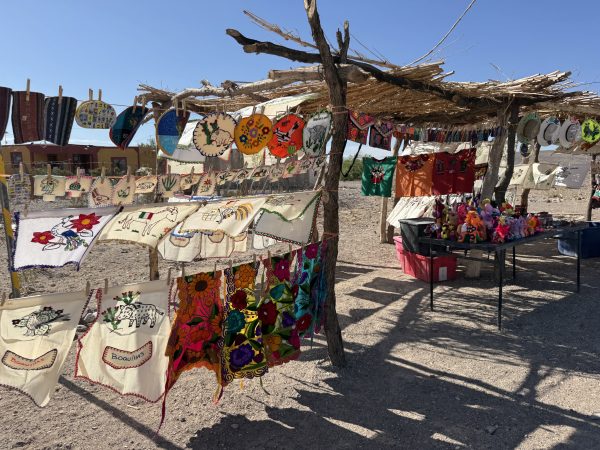
This is one area of the park that has a campground, so you can make this a starting point for your vacation. There are a few must-do things in the southeast area of the park. First, you should visit Boquillas del Carmen in Mexico. You’ll need a passport, and about $60 cash per person (2025) to enjoy your Mexican adventure, but it is perfectly safe and fun.
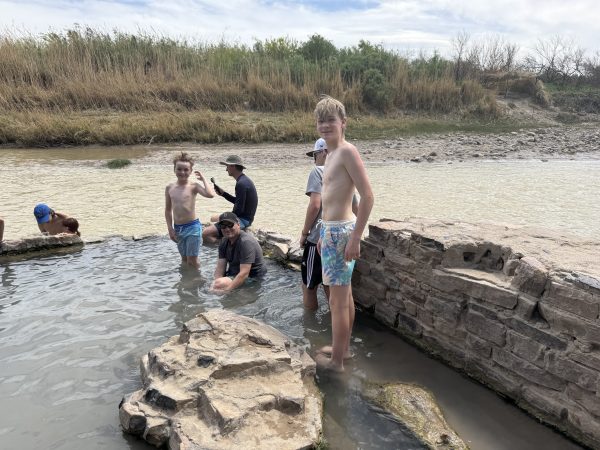
Second, this area offers a dip in some hot springs. Since the spring sits right on the edge of the Rio Grande, you can jump from the hot (105 degree) spring, to the cool river. In order to do this, you’ll need swimsuits, shoes that can hike a half mile, and a towel. More info about the Hot Springs here.
There are a two other great hikes in the area that we enjoyed. One is a walk through the Boquillas Canyon. This trail has a climb at the beginning, but is otherwise flat and easy. It has some great canyon views of the Rio Grande.
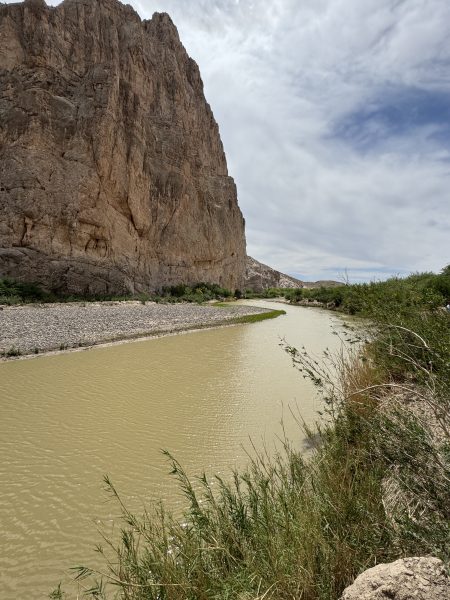
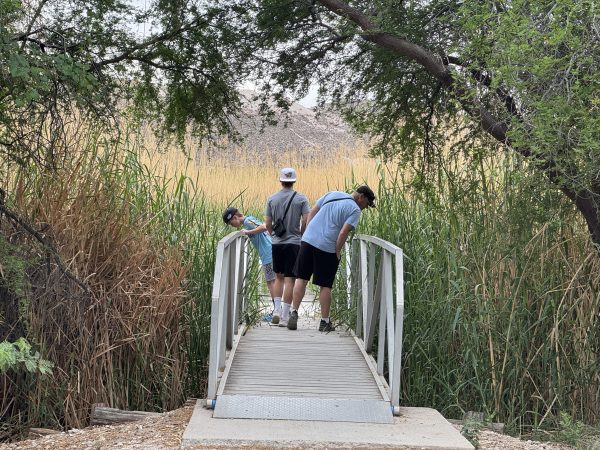
The other trail we enjoyed was the Rio Grande Nature Trail that begins in the campground. We saw lots of great birds and enjoyed the river and views on this hikes, too.
Chisos Basin
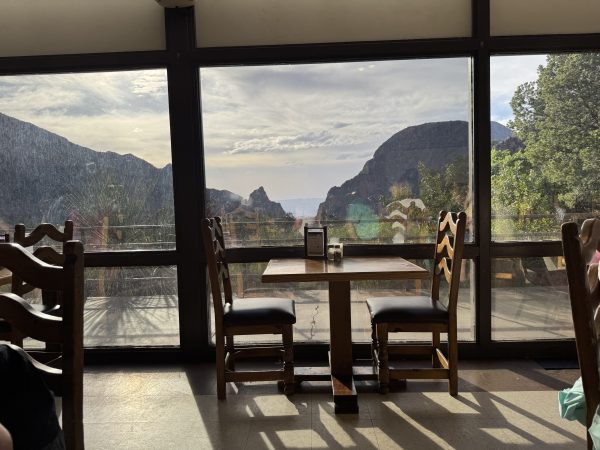
Chisos Basin sits in the mountains of Big Bend National Park. This area is unique in the park because animals, like bear, deer, cougars, and even elk, can be seen. Chisos Basin has a variety of hikes, both long and short, and there is a very popular place to see the sunset called The Window. Due to length restrictions, large vehicles, trailers, and RVs cannot visit Chisos Basin. There is also a small Visitor Center, store, and the only restaurant in Big Bend. We did eat at this restaurant and it was pricey, but delicious.
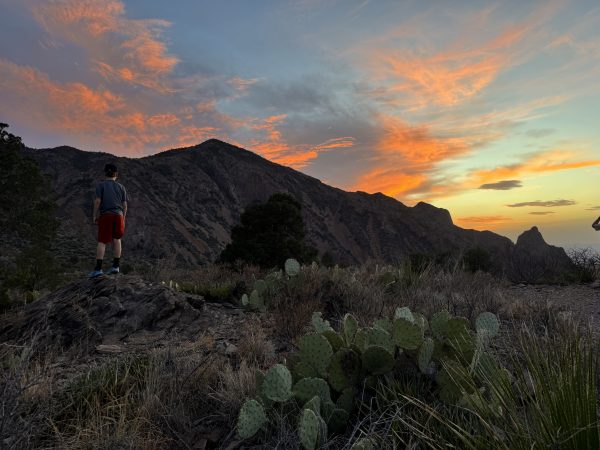
These are the trails that we did with our family in the Chisos Basin area. We also came here both nights for sunset because we loved it so much.
- The Window View Trail (0.3 mile and paved)
- Chisos Basin Loop (2.0 miles roundtrip)
- Lost Mine Hike (2.0 miles to 5.1 miles)
Castolon Area
The Castolon area is mostly a driving area along the Ross Maxwell Scenic Drive with a few overlooks and one must-do hike. It is worth driving all the way to the end of this road to do The Santa Elena Canyon Trail. This narrow canyon can be seen from many of the overlooks along the way. It spills the Rio Grande River into Big Bend National Park, and is quite picturesque. It is also one of the most popular hikes in the park, so go early to avoid parking issues.
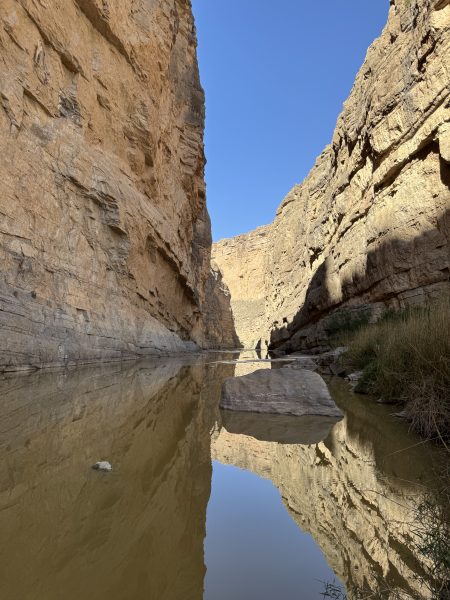
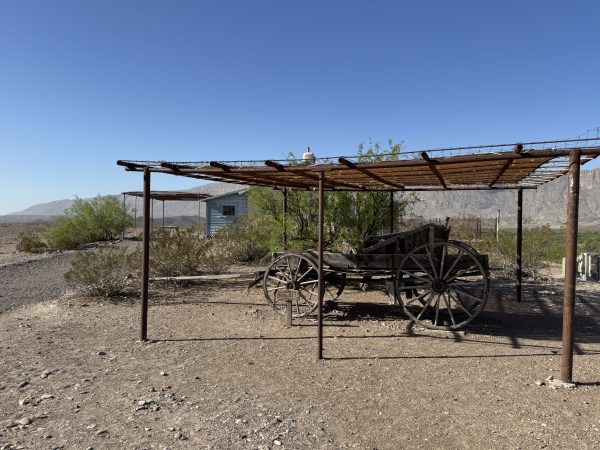
There are many longer hikes in the Castolon area, but we recommend doing the shorter ones at Sam Nail Ranch and Tuff Canyon Overlook. We also enjoyed a picnic, as well as the birds, at Cottonwood Campground. Make sure to use the designated picnic area. There is also a Visitor Center in this area, but it is quite small. If you drive down to Castolon, it is worth the stop at the Visitor Center to see a few outdoor displays. There is also a small convenience store.
Panther Junction
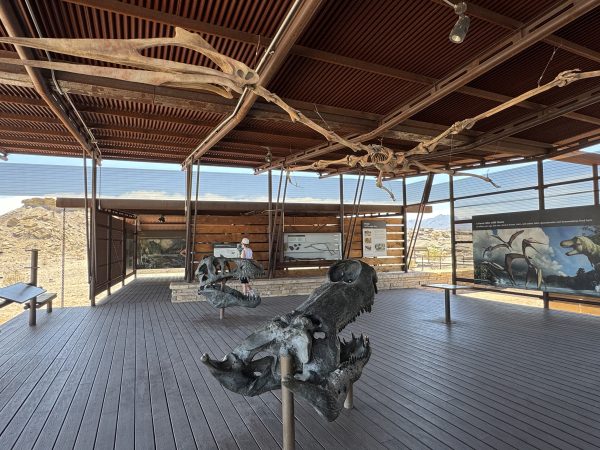
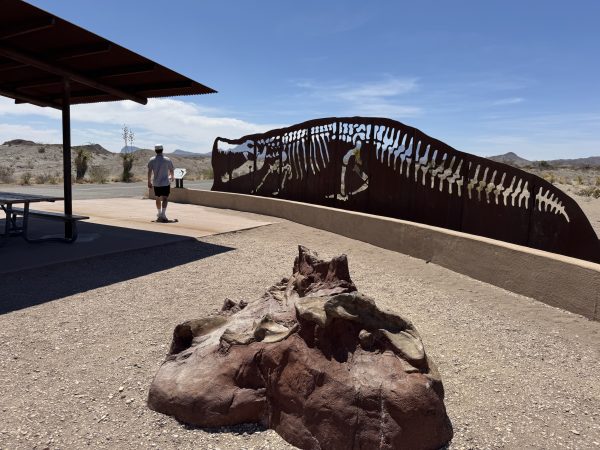
Close to the Chisos Basin, you will find the Panther Junction Visitor Center. Here your junior ranger can earn one of the extra patches by walking the incredibly short Panther Path. Near Panther Junction there are a few other stops to check out. You can also visit the Fossil Discovery Exhibit. This is a nice, shaded display of some of the fossils found in the park. It also has a little hands-on area for young children and some covered picnic tables.
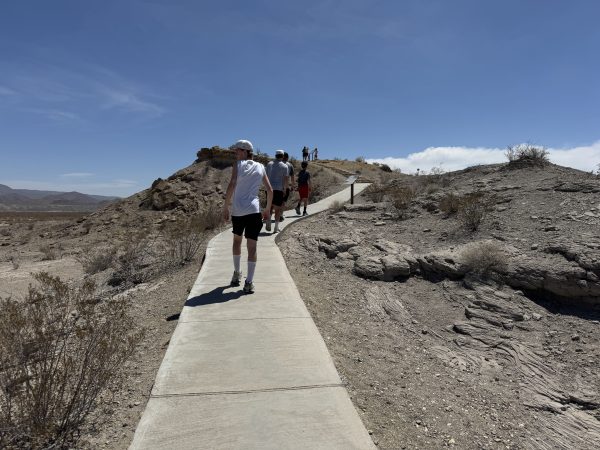
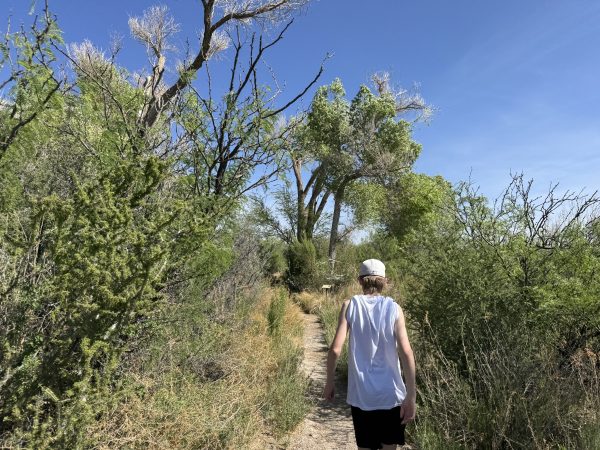
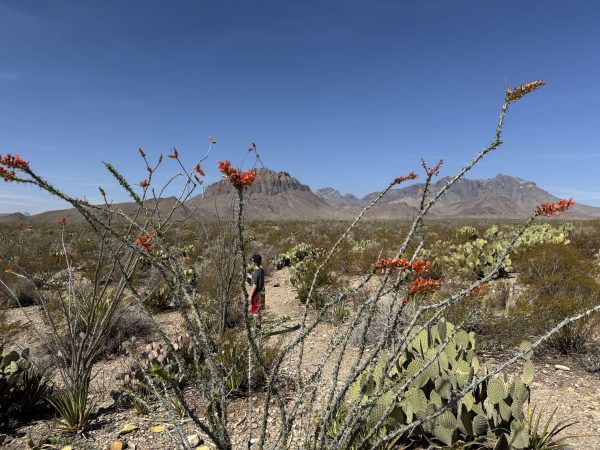
There is also a really cool picnic place called Dugout Wells just south of Panther Junction toward Rio Grande Village. This nice little oasis has a variety of birds and other larger game that visit. And right by Panther Junction is the Lone Mountain trail. You can walk a loop around a small hill and enjoy the desert landscape.
When to Visit
We visited the first week of April and it was already very hot. We did lots of adventuring in the morning and evenings and went back to our lodging during the hot afternoons. The most popular time to visit is November through March, so it will be busier, but the weather will be more pleasant. Luckily, the Chisos Basin is in the mountains, so it is always a little cooler.
For current conditions, check the National Park website: Big Bend.
We love visiting the National Parks. If you have any other specific questions about this park, send us an email and we will get back to you as soon as we can: info@utahsadventurefamily.com.